
Perfect Kicking Technique: Mastering Your Kick
- Introduction to Perfect Kicking Technique
- Understanding the Fundamentals of Effective Kicking Methods
- Balancing Power and Accuracy in Kicking Form Tips
- Essential Practice Drills for Mastering Your Kick
- Common Mistakes and How to Fix Them
- Exploring Advanced Kicking Techniques
- The Journey to a Perfect Kicking Technique
The perfect kicking technique is often the difference between a good athlete and a great one. Whether you’re aiming for the winning goal in football, landing a powerful strike in martial arts, or punting for territory in rugby, mastering your kick is a fundamental skill that demands precision, power, and practice. Over my years coaching various sports, I’ve seen firsthand how dedicated attention to kicking mechanics can transform a player’s performance. It’s not just about raw strength; it’s about leverage, timing, and hitting that sweet spot. Understanding effective kicking methods is key to unlocking your full potential.
So, what really goes into developing that kind of potent, accurate kick? Is it innate talent, or is it something anyone can learn? While some natural aptitude helps, I firmly believe that with the right guidance and consistent effort, anyone can significantly improve their kicking ability. This guide will walk you through the core principles, offer practical tips I’ve shared with countless athletes, and help you develop your own perfect kicking technique. Let’s dive into the nuances that separate a decent kick from a truly exceptional one.
Understanding the Fundamentals of Effective Kicking Methods
Every great kick starts with solid fundamentals. Think of it as building a house; without a strong foundation, the structure won’t hold up. The same goes for kicking. You need to establish a consistent base before you can add power and finesse.
One of the most critical aspects is your approach and plant foot. Your plant foot positioning dictates the direction and height of your kick. Ideally, it should be placed alongside the ball, pointing towards your intended target. Too far ahead or behind, and you lose power and accuracy. My experience has shown that even a slight adjustment here can make a huge difference.
- Stance: Ensure your body is balanced and aligned with your target.
- Approach: Take a consistent number of steps. This helps with timing.
- Plant Foot: Place it firmly beside the ball, pointing at your target.
- Ball Contact: Strike the ball with the correct part of your foot for the desired outcome (laces for power, inside/outside for curve).
- Follow-Through: Extend your leg fully towards the target; don’t stop your motion at contact.
Mastering these initial steps lays the groundwork for more advanced techniques and ensures you’re not building bad habits from the start. It’s like learning the alphabet before writing a novel; essential, yet often overlooked in the rush to kick harder or faster.
Balancing Power and Accuracy in Kicking Form Tips
Ah, the age-old dilemma: power versus accuracy. Many athletes focus solely on generating maximum power, often at the expense of hitting the target. Conversely, some are incredibly accurate but lack the power needed for distance or impact. The goal is to find the sweet spot, and that comes down to refining your kicking form tips.
Generating power comes from a combination of leg speed, hip rotation, and core engagement. It’s a full-body movement, not just your leg swinging like a pendulum. You need to drive through the ball, using your body weight to add force. I often tell my students to imagine pushing through the ball, not just hitting it.
Accuracy, on the other hand, is about control and consistency. It’s about the angle of your foot, the point of contact on the ball, and the direction of your follow-through. Even small errors in form can send the ball wide or off course. Precision drilling is crucial here. For instance, setting up cones or targets and repeatedly aiming for them helps build that muscle memory.
“Power without accuracy is useless, and accuracy without power is easily defended.” – A wise coach once told me.
Finding the balance requires conscious effort during practice. Don’t just kick aimlessly. Have a purpose for each kick – whether it’s hitting a specific spot, achieving a certain height, or focusing on generating more power while maintaining control. This deliberate practice is where true improvement happens in your kicking form tips.

This image is a fictional image generated by GlobalTrendHub.
Essential Practice Drills for Mastering Your Kick
You can’t achieve a perfect kicking technique just by thinking about it. You need to put in the hours on the training ground. Effective practice drills are specifically designed to isolate aspects of your kick and help you refine them. Forget just booting the ball as hard as you can; structured drills yield better results.
Here are a few drills I recommend for mastering your kick:
- Stationary Kicking: Start by kicking the ball from a standstill, focusing purely on technique: plant foot, contact point, and follow-through. Don’t worry about distance initially.
- Target Practice: Set up cones, goals, or even specific areas on a wall. Practice hitting these targets from various distances and angles. This hones your accuracy.
- Kicking on the Run: Introduce a few steps before kicking. Focus on maintaining your form and consistency while moving. This is crucial for game situations.
- Weak Foot Practice: Dedicate significant time to developing your non-dominant foot. Consistency on both sides makes you unpredictable and more versatile. Starting with short passes is a good way to build confidence.
- Power Kicking: Once technique and accuracy are solid, practice driving through the ball to increase power. Focus on hip rotation and leg speed. Ensure your form doesn’t break down.
Consistency is key with these training drills. Aim to practice several times a week, even if it’s just for 15-20 minutes. Short, focused sessions are often more beneficial than long, unfocused ones. Remember, muscle memory is built through repetition and correct execution.
Additionally, consider incorporating strength and conditioning exercises that target the core and legs. Building overall strength is vital for generating powerful kicks and preventing injuries. Don’t neglect flexibility either; good range of motion allows for a more fluid and powerful kicking action.
Common Mistakes and How to Fix Them
Even experienced athletes make mistakes. Recognizing them is the first step to improvement. When working towards an effective kicking method, watch out for these common pitfalls:
- Improper Plant Foot: Placing it too far from the ball or pointing it in the wrong direction disrupts alignment and power. Review plant foot positioning and practice in slow motion.
- Hitting Under the Ball Too Much: This sends the ball soaring high with little distance. Focus on striking through the middle or slightly below center for power and trajectory.
- Not Following Through: Stopping your leg motion right after contact reduces power and can lead to inconsistent results. Ensure your leg swings naturally towards the target.
- Looking Up Too Early: Lifting your head before contact often causes you to misjudge the ball and affects accuracy. Keep your eye on the ball until the moment of impact.
- Trying to Force Power: Tensing up and overthinking generates less power than a smooth, coordinated motion. Relax and focus on the technique.
It’s helpful to record yourself kicking from different angles. Watching your own form can reveal issues you weren’t even aware of. I’ve seen players amazed by what they see when they review their own kicks. This self-analysis, combined with feedback from a coach or training partner, can significantly accelerate your progress in mastering your kick.
Exploring Advanced Kicking Techniques
Once you have a solid grasp of the fundamentals and can consistently execute your kick with a good balance of power and accuracy, you might want to explore more advanced kicking techniques. These can add new dimensions to your game, allowing for curved shots, quick snap kicks, or specialized techniques for different sports.
For instance, in football (soccer), learning to curl the ball requires striking it with the inside or outside of your foot and applying spin. In martial arts, mastering a roundhouse kick or a hook kick involves complex hip rotation and balance. These advanced moves build upon the basic principles but require more coordination and practice.
Exploring specialized training can be highly beneficial here. Finding resources like FIFA’s training resources for football kicking or martial arts tutorials can provide structured approaches to these advanced techniques. Remember to integrate these new skills slowly into your routine, ensuring you maintain the integrity of your core perfect kicking technique.
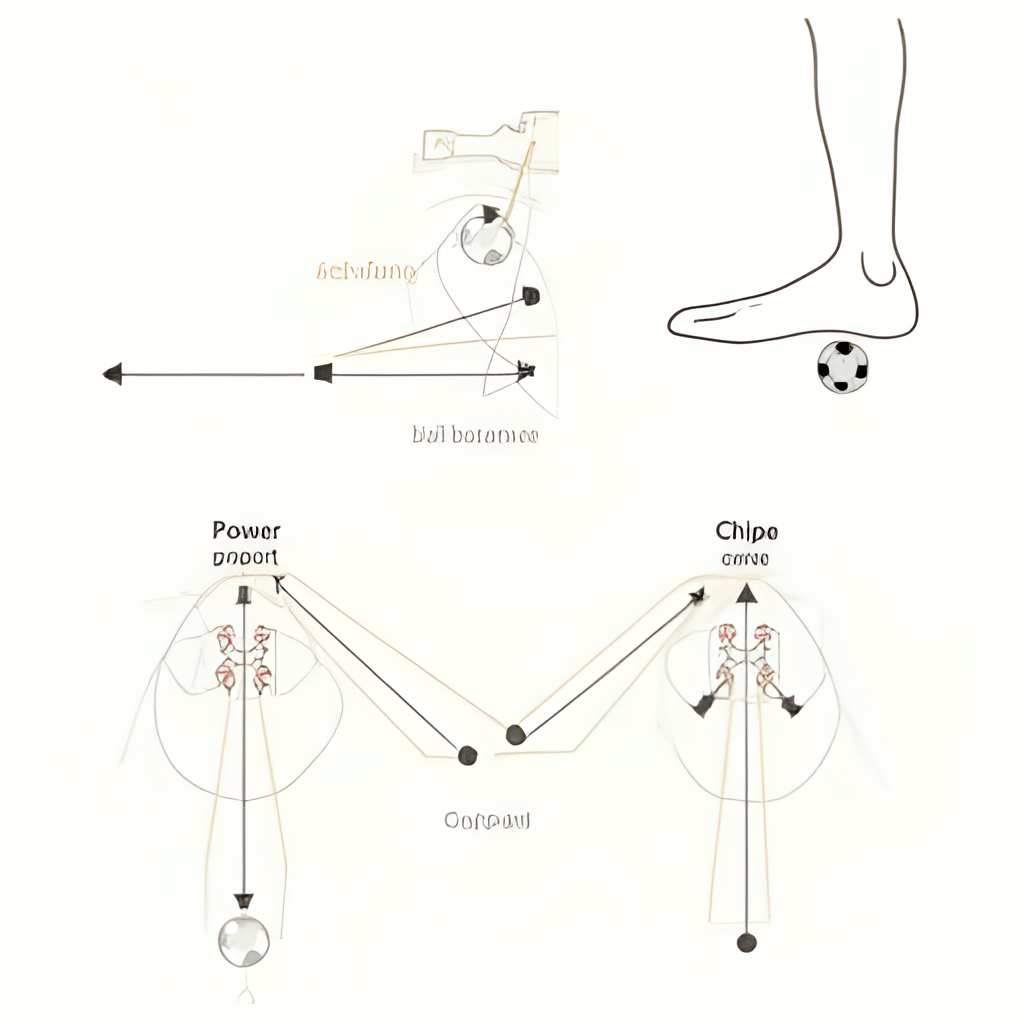
This image is a fictional image generated by GlobalTrendHub.
Another area to consider is the mental aspect of kicking. Pressure situations, like taking a penalty or a crucial field goal, can significantly impact performance. Developing mental toughness, visualization techniques, and pre-kick routines can help you maintain focus and execute your perfect kicking technique when it matters most. My experience tells me the mental game is just as important as the physical one.
Also, don’t underestimate the importance of proper footwear and equipment. Ensure your boots or shoes are suitable for the surface and activity, providing good grip and feel for the ball. The right gear can subtly enhance your control and power.
The Journey to a Perfect Kicking Technique
Achieving a truly perfect kicking technique is a journey, not a destination. It requires patience, perseverance, and a commitment to continuous improvement. By focusing on the fundamentals, balancing power and accuracy, incorporating effective training drills, addressing common mistakes, and even exploring advanced techniques, you can dramatically elevate your kicking ability. As someone who has spent years refining this skill and helping others do the same, I can honestly say the effort is incredibly rewarding. The feeling of executing a powerful, accurate kick is unparalleled, whether it’s winning a game or perfecting a difficult martial arts move. Keep practicing, stay focused, and enjoy the process of mastering your kick.