
Maryam Nawaz Sharif: Redefining Pakistani Politics and Governance
- Introduction to a Dynamic Political Figure
- Early Life and Entry into the Political Arena
- Rising Through the Ranks of PML-N
- Overcoming Political Challenges and Controversies
- Transformative Leadership as Chief Minister of Punjab
- The Human Touch: Engaging with the Electorate
- Maryam Nawaz Sharif’s Impact and Future Outlook
Maryam Nawaz Sharif is arguably one of the most dynamic and influential political figures in Pakistan today. Her journey from being the daughter of a three-time Prime Minister to becoming Pakistan’s first-ever woman Chief Minister of a province is a compelling narrative of resilience, strategic acumen, and a deep, evolving connection with the masses. Having observed Pakistani politics for years, I’ve seen few individuals navigate such complex terrains with her blend of assertiveness and public appeal. In this article, we’ll explore the multifaceted career of Maryam Nawaz Sharif, examining her rise, the challenges she’s faced, and the transformative impact she’s already having on the political landscape, particularly in Punjab.
Early Life and Entry into the Political Arena
Born on October 28, 1973, in Lahore, Maryam Nawaz Sharif inherited a formidable political legacy as the daughter of former Prime Minister Nawaz Sharif. Initially, her involvement was primarily with the family’s philanthropic organizations, such as the Sharif Trust, which oversees educational institutions and hospitals. , , This period, though not overtly political, I believe, provided her with a foundational understanding of public service and community needs that would later inform her policy decisions.
Her formal entry into active politics began in 2012 when she took charge of her father’s election campaign for the 2013 Pakistani general election, a pivotal moment that showcased her organizational skills. , , Following the successful election, she was appointed Chairperson of the Prime Minister’s Youth Programme in 2013. However, her tenure was brief, as she resigned in 2014 after her appointment was challenged in the Lahore High Court amidst nepotism allegations. , , My observation is that her early involvement, though seemingly behind-the-scenes, laid the groundwork for the more prominent roles she would later assume, preparing her for the intense scrutiny that comes with being a public figure in Pakistan.
Rising Through the Ranks of PML-N
The political trajectory of Maryam Nawaz truly accelerated following her father, Nawaz Sharif’s, disqualification from public office in 2017 due to the Panama Papers case. , , This period marked a significant shift, as she stepped into a more active role within the Pakistan Muslim League-Nawaz (PML-N), becoming a crucial voice for the party and her family. She played a key role in her mother, Begum Kulsoom Nawaz’s, by-election campaign, demonstrating her ability to galvanize support even under challenging circumstances. , ,
Recognizing her growing influence and leadership capabilities, the party appointed her as Vice President in 2019 and later as Senior Vice President and Chief Organizer in January 2023. , As a prominent PML-N leader, Maryam Nawaz led numerous anti-government rallies, fiercely denouncing opponents like Imran Khan and the PTI, as well as criticizing the military and judiciary for what she perceived as their role in her father’s ousting. , Her powerful rhetoric played a pivotal role in framing PML-N’s narrative around democracy, justice, and the need for civilian supremacy. She masterfully leveraged social media platforms like Twitter to connect directly with a younger demographic, ensuring the party’s message resonated beyond traditional political gatherings. It’s remarkable to see how effectively she filled the void, becoming a vital pillar for the party during one of its most turbulent periods.
Overcoming Political Challenges and Controversies
Maryam Nawaz Sharif’s political career has been far from smooth, marked by numerous challenges and controversies. She faced significant legal battles, most notably the Avenfield reference case, where she was convicted of corruption charges in 2018 and sentenced to seven years in prison, alongside her father. , , However, she was later acquitted in September 2022, a development that cleared her path for increased political activity. ,
Beyond the legal realm, Maryam Nawaz has also been a frequent target of accusations of nepotism, given her family’s entrenched position in Pakistani politics. Moreover, as a leading woman in a traditionally male-dominated political landscape, she has often endured misogynistic backlash, with her actions, even routine diplomatic gestures like a handshake, being weaponized by detractors to undermine her credibility. From my perspective, these challenges have not only tested her resolve but also, in many ways, solidified her standing as a tenacious figure in Pakistan’s political arena. It’s tough to imagine the pressure she’s endured, yet she consistently pushes forward, carving out her own space.

This image is a fictional image generated by GlobalTrendHub.
Transformative Leadership as Chief Minister of Punjab
A historic milestone in Pakistan’s political history occurred on February 26, 2024, when Maryam Nawaz Sharif was elected as the 20th Chief Minister of Punjab. , , , This marked her as the first woman to hold such a high executive position in any province of Pakistan, a significant achievement more than seven decades after the nation’s creation. , , Her victory, secured with 220 votes in the 371-member Punjab Assembly, despite a boycott by the opposition Sunni Ittehad Council, signaled a new era for the province. , This elevation to CM Punjab is a powerful symbol of women’s empowerment and progress in Pakistani politics.
Vision for a Progressive Punjab: Key Initiatives
Since assuming office, Maryam Nawaz Sharif has launched a series of ambitious and transformative initiatives, reflecting her commitment to public welfare and sustainable development across Punjab. I’ve been particularly impressed by the sheer breadth of her agenda:
- Nawaz Sharif IT City: A flagship project in Lahore, this sprawling 853-acre initiative with an initial allocation of Rs10 billion aims to transform the city into a global IT hub, projected to generate nearly one million jobs and attract significant foreign investment. , , ,
- Ramzan Negahban Package: A substantial Rs30 billion welfare program that provided essential food items directly to the doorsteps of over 35 million people during Ramadan, emphasizing transparency with QR codes. ,
- Himmat Card Program: Providing financial assistance and assistive devices to persons with disabilities, with plans for expanded reach. , ,
- Healthcare Reforms: Initiatives like the Free Medicine Delivery Project, which ensures essential medications reach patients’ homes, and the foundation for a state-of-the-art cancer hospital in Lahore. , , Clinics on Wheels and field hospitals have also treated millions. ,
- Agricultural Support: The Nawaz Sharif Kisan Card, a Rs150 billion initiative, provides interest-free loans to small farmers for vital agricultural inputs. , , Her government is also supporting shrimp farming to boost exports.
- Social Welfare Programs: This includes the Free Milk Program for schoolchildren to combat malnutrition, and the Roshan Gharana Program, distributing 50,000 solar systems to low-income households.
- Women’s Empowerment and Safety: The “Never Again” women’s safety app, establishment of day care centers at workplaces, and the CM Pink Games. ,
- Infrastructure and Transport: Plans for a Smart Safe City Project in every district by December 2024 to enhance security , and the introduction of 1,100 electric buses with affordable fares of Rs20 per ride. ,
- Housing: The “Apni Chhat Apna Ghar” housing scheme aims to provide free plots and interest-free loans for low-income families, with a target of 500,000 houses in five years. ,
- Journalist Welfare: Doubling the Journalists Support Fund and initiating the Punjab Journalists Housing Foundation Lahore Phase II.
These initiatives clearly demonstrate her comprehensive approach to governance, aiming to touch every segment of society. To learn more about specific welfare programs, you can explore detailed reports on the Punjab government’s official portals or reputable news outlets. For example, recent reports detail the profound impact of her government’s efforts on public service delivery. Her vision for a prosperous Punjab is indeed becoming a reality through these focused interventions.
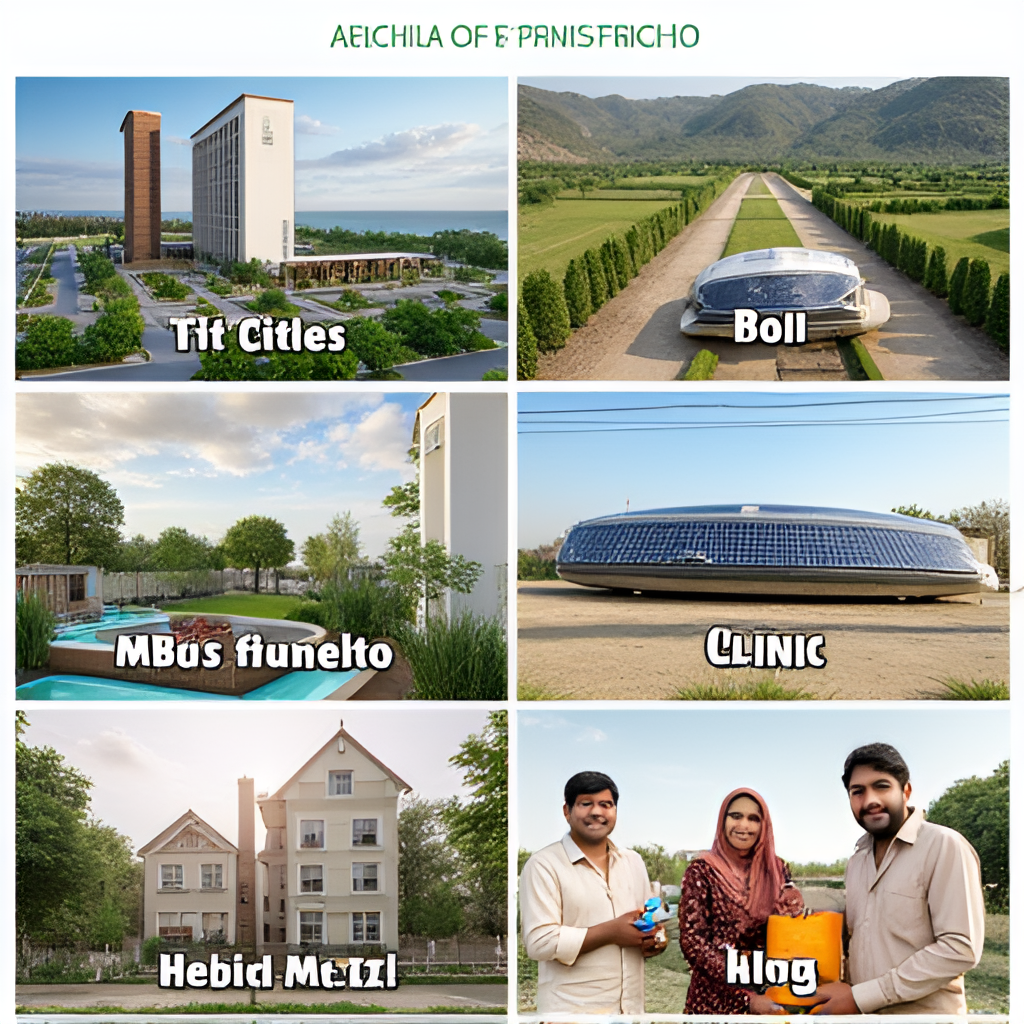
This image is a fictional image generated by GlobalTrendHub.
The Human Touch: Engaging with the Electorate
Beyond policy and political maneuvering, Maryam Nawaz Sharif has cultivated a strong connection with the populace, embodying a style of leadership that emphasizes accessibility and genuine public service. She often states that “serving the people is real leadership,” and “setting fires and inciting unrest is easy, but serving the people is real leadership.” This sentiment is reflected in her proactive approach, where she aims for the “government to walk to the people’s doors — not the other way around.”
Her ability to engage emotionally and articulate the concerns of common citizens has significantly broadened PML-N’s support base, particularly among women and youth. I recall her powerful statements, like her recent address to Indian Sikh pilgrims at Kartarpur Sahib, where she invoked her family’s roots and emphasized cross-border ties, signaling a desire for improved regional relations. As a woman, she often uses her identity to connect with people, saying things like, “As a daughter and a mother, I know the peace that comes from having your own home.” From my perspective, this genuine connection is what truly sets her apart; she seems to understand the pulse of the nation and consistently strives to bridge the gap between governance and the everyday lives of citizens. This authentic approach is a cornerstone of her growing popularity and influence.
Maryam Nawaz Sharif’s Impact and Future Outlook
The impact of Maryam Nawaz Sharif on Pakistan’s political landscape is undeniable. She has not only reinvigorated the PML-N at a crucial time, stepping in when the party faced leadership vacuums and intense scrutiny, but has also become a standard-bearer for women in politics in a patriarchal society. , , Her appointment as CM Punjab is a testament to her political acumen and the trust placed in her by the party and her family. Many analysts view her as a potential future Prime Minister, a strong and charismatic leader capable of tackling the country’s formidable challenges. ,
However, her journey is far from over. Pakistan continues to grapple with significant economic woes, political instability, and a deeply polarized political environment, all of which present ongoing challenges for any leader. , Despite these hurdles, Maryam Nawaz is actively shaping a narrative of progressive governance and social welfare. Her strategic vision for Punjab, coupled with her direct engagement with the public, positions her as a pivotal figure in defining Pakistan’s political trajectory for years to come. The Sharif family’s dominance, with her at the forefront, is expected to grow, indicating her continuing importance in Pakistani national affairs. This sustained influence suggests she’ll be a central figure in future political discourse.
In conclusion, Maryam Nawaz Sharif has emerged as a formidable force in Pakistani politics, transcending the traditional role of a political heir to become a leader in her own right. From her early philanthropic work to her current impactful role as the first woman Chief Minister of Punjab, her career reflects a consistent drive for public service and political reform. The initiatives she has spearheaded in Punjab demonstrate a clear vision for progress and inclusivity. While the political landscape of Pakistan remains challenging, her resilience, strategic leadership, and profound connection with the electorate suggest that Maryam Nawaz Sharif will continue to play a defining role in the nation’s future, shaping policies and inspiring a new generation of political engagement.