
Balochistan Pakistan: Exploring the Land of Extremes
- Introduction: The Enigmatic Balochistan Pakistan
- Geography and Landscape: A Tapestry of Terrain
- A Glimpse into History: Ancient Roots and Modern Realities
- Culture and People: A Diverse Tapestry
- Economy and Resources: Untapped Wealth
- Challenges and Potential: Navigating a Complex Future
- Gwadar Port: A Game Changer?
- Conclusion: The Future of Balochistan Pakistan
Balochistan Pakistan is a land of striking contrasts, a vast and enigmatic province that makes up nearly half of Pakistan’s total land area but is its least populated region. When I think of Balochistan, I picture its immense, rugged landscapes – a place where towering mountains meet arid deserts and where a long coastline fringes the Arabian Sea. It’s a region steeped in history and rich in natural resources, yet it faces significant developmental hurdles and complex socio-political dynamics. Exploring Balochistan Pakistan means delving into its unique geography, understanding its diverse cultures, and examining the challenges and opportunities that shape its present and future.
Geography and Landscape: A Tapestry of Terrain
Balochistan’s sheer size is immediately apparent on a map. Covering 347,190 square kilometers, it’s Pakistan’s largest province by area. Its topography is incredibly varied, ranging from the high peaks of the Sulaiman and Toba Kakar ranges in the northeast to the arid plains and deserts in the west, including the significant Chagai, Kharan, and Makran deserts. The southern part of the province boasts a substantial coastline along the Arabian Sea, where the important port city of Gwadar is located. The climate reflects this diversity, with intensely cold winters in the upper highlands and scorching hot summers in the plains and desert areas.
Water scarcity is a significant challenge across much of Balochistan, making large-scale irrigated agriculture difficult. Despite this, traditional methods like the Karez system, an ancient method of tapping groundwater, are still used in some areas. The landscape, while often harsh, holds a stark beauty, with its vast, empty spaces and dramatic mountain formations. Experiencing the solitude of these wide-open areas really makes you appreciate the resilience of the people who call this place home.
Major Geographical Features of Balochistan
- Mountain Ranges: The Sulaiman, Toba Kakar, Central Brahui, Kirthar, Chagai, Raskoh, and Central Makran ranges define much of the province’s terrain.
- Deserts: The Chagai, Kharan, and Makran deserts are prominent arid regions.
- Coastal Areas: The Makran Coast along the Arabian Sea is vital for fisheries and trade, particularly around Gwadar Port.
- Plateaus: Balochistan is largely an extensive plateau with rough terrain.
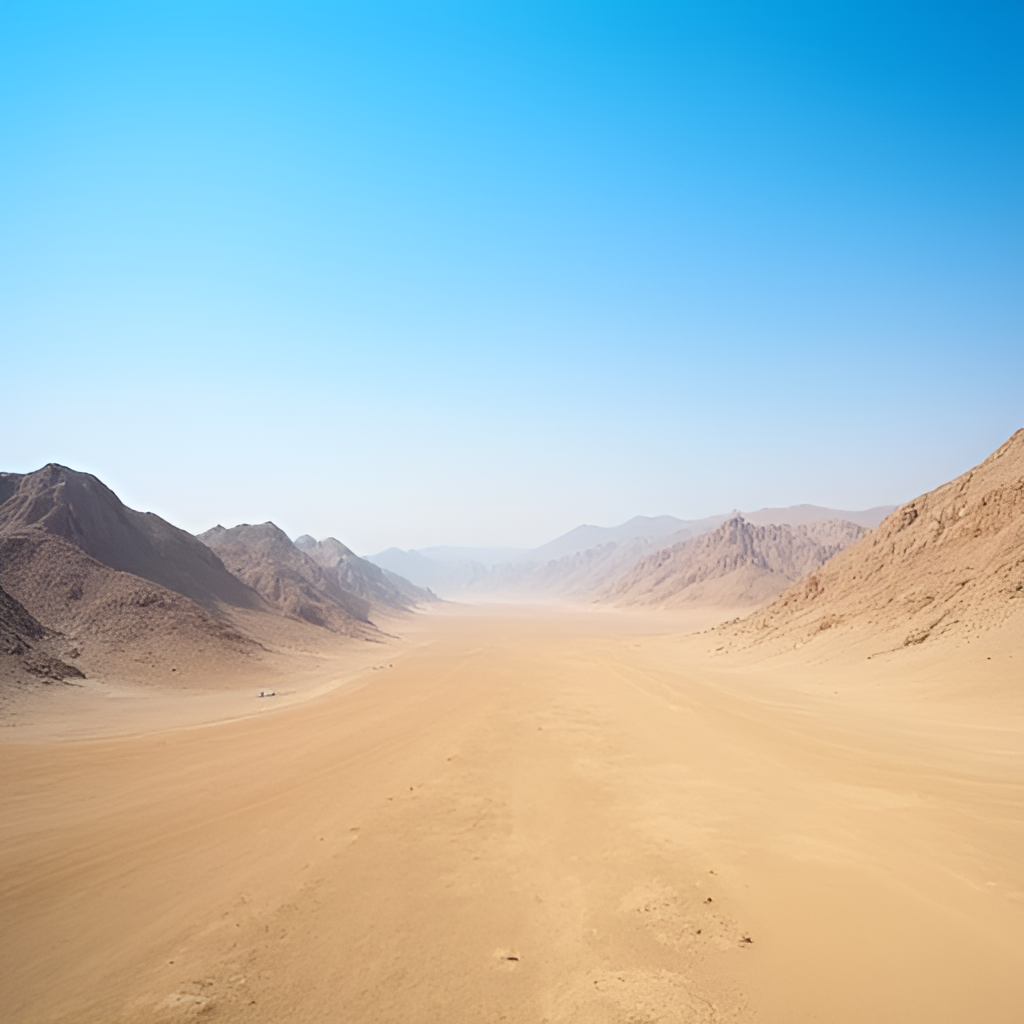
This image is a fictional image generated by GlobalTrendHub.
A Glimpse into History: Ancient Roots and Modern Realities
The history of Balochistan is long and complex, stretching back to ancient times. Archaeological evidence from Mehrgarh in the Kachhi Plain suggests settlements dating back to 7000 BCE, predating the Indus Valley Civilization. The region has been influenced by various empires and rulers throughout history, including the Persians, Greeks under Alexander the Great, and Arab forces who introduced Islam in the 7th century. Tribal systems have long been a significant part of the social structure.
During the British colonial era, parts of Balochistan were administered differently, with some areas becoming a Chief Commissioner’s province and others remaining as princely states like Kalat. The accession of these areas to Pakistan after 1947 is a notable and sometimes debated part of the province’s history. My reading on this period highlights the varying perspectives on how and when different parts of Balochistan became part of Pakistan, particularly concerning the princely state of Kalat.
Key Historical Milestones in Balochistan
- 7000 BCE: Evidence of early settlements at Mehrgarh.
- 7th Century CE: Arrival of Islam with Arab forces.
- 14th Century CE: Arrival of the Baloch people in the region.
- British Era: Division into Chief Commissioner’s province and princely states.
- 1947: Accession of princely states to Pakistan.
Culture and People: A Diverse Tapestry
Despite being the least populated province, Balochistan is home to a diverse mix of ethnic groups, primarily Baloch, Pashtun, and Brahui people. This diversity is reflected in the languages spoken, which include Balochi, Pashto, and Brahui, alongside Urdu, the national language. The culture is rich in traditions, influenced by nomadic lifestyles and tribal structures.
Balochi culture, in particular, is known for its vibrant folk music, traditional dances like Dochaap, and exquisite handicrafts, especially embroidery. Hospitality is a strong tradition among the Baloch, Brahui, and Pashtun tribes. Festivals like Jashn-e-Kalat celebrate the province’s unique cultural heritage. Witnessing the colorful traditional attire and listening to the distinct music offers a real sense of the cultural depth here.
The traditional attire for both men and women often includes a wide, loose shalwar and knee-length shirts, with turbans commonly worn by men. Women’s dresses are often beautifully embellished with mirror work.
Economy and Resources: Untapped Wealth
Balochistan Pakistan is often described as being rich in natural resources, a description that holds significant truth. The province is a major source of natural gas for Pakistan, with the Sui gas field being the largest in the country. Beyond gas, Balochistan holds substantial reserves of coal, copper, gold, chromite, marble, and various other minerals. The Reko Diq and Saindak projects, with their significant copper and gold deposits, have garnered international attention.
While agriculture and livestock also play a role in the economy, contributing significantly to the provincial GDP, the arid climate and limited infrastructure present considerable challenges for widespread development in these sectors. Fishing along the Makran coast is another source of livelihood.
Despite this immense natural wealth, Balochistan faces significant economic challenges. Poverty rates are high, and infrastructure development lags behind other parts of Pakistan. The potential revenue from resources hasn’t always translated into widespread development and improved living standards for the local population. This disparity is a critical issue that needs addressing for the province to truly thrive.

This image is a fictional image generated by GlobalTrendHub.
Challenges and Potential: Navigating a Complex Future
Balochistan Pakistan grapples with a range of complex issues, including governance challenges, infrastructure deficits, and socio-economic disparities. Access to basic services like education and healthcare remains a concern in many areas. The province has also experienced periods of unrest and insurgency, which further complicate development efforts.
Addressing these challenges requires a multifaceted approach that focuses on inclusive development, improved governance, and investment in human capital. Empowering local communities and ensuring equitable distribution of resources are crucial steps. The province’s strategic location, bordering Iran and Afghanistan and with its coastline on the Arabian Sea, presents opportunities for trade and connectivity.
There’s a strong sense among many that with the right focus and investment, Balochistan’s vast potential can be unlocked. I believe that prioritizing the needs of the local population and fostering a sense of ownership in development projects are key to building a more stable and prosperous future.
Synonyms/Variations of Balochistan Pakistan
- Balochistan province
- Pakistan’s largest province
- Southwestern Pakistan region
Gwadar Port: A Game Changer?
A significant development with the potential to reshape Balochistan’s future is the Gwadar Port. Located on the Arabian Sea coast, it’s a deep-sea port that features prominently in the China-Pakistan Economic Corridor (CPEC). The port is strategically located near the Strait of Hormuz, a critical route for global oil shipments.
The development of Gwadar Port aims to enhance trade connectivity between Pakistan, China, and Central Asian Republics, potentially transforming Balochistan into a major trade and logistics hub. While the port’s development brings economic prospects, it also raises questions about its impact on local communities and the equitable distribution of benefits. Understanding the dynamics surrounding Gwadar is essential when discussing the future trajectory of this region. For more technical details about the port, you can refer to resources like Oceanworld Pvt Ltd.
Conclusion: The Future of Balochistan Pakistan
Balochistan Pakistan is a province of immense natural beauty, rich history, and diverse cultures, yet it faces significant and long-standing challenges. Its strategic importance and vast resources offer considerable potential for growth and development. As we look to the future, addressing the socio-economic disparities, investing in education and healthcare, and ensuring inclusive governance will be paramount to unlocking the full potential of Balochistan Pakistan and fostering a stable and prosperous future for all its people. It’s a region that deserves focused attention and sustainable solutions.