
Understanding Weather Patterns: A Guide to Forecasting and Impacts
- Understanding Weather Patterns: More Than Just Small Talk
- The ABCs of Atmospheric Science: Building Blocks of Weather
- What Drives the System? Key Factors Shaping Weather
- From Gentle Rain to Thunderous Storms: Exploring Weather Phenomena
- The Science Behind the Forecast: Meteorology Explained
- Climate Change Impacts: How Weather is Changing
- Being Prepared: Practical Tips for Different Weather
- Understanding Weather Patterns: Why It Matters to All of Us
Understanding Weather Patterns is something that touches every single one of our lives, every single day. Whether you’re planning a picnic, commuting to work, or preparing for a trip, the weather dictates so much of what we do. For years, I’ve been fascinated by the sheer complexity and power of the atmosphere, always checking the latest weather forecasting models and trying to make sense of the swirling clouds on the satellite maps. It’s a dynamic system, constantly shifting, and truly understanding weather patterns requires digging a bit deeper than just looking out the window.
Why is it so important to grasp these concepts? Well, beyond simple daily inconvenience, weather plays a huge role in agriculture, transportation, energy, and even public safety, especially with the growing threat of climate change impacts. This article will guide you through the fascinating world of atmospheric science, explaining the forces at play, common weather phenomena, and a little bit about how meteorologists predict what’s coming our way.
The ABCs of Atmospheric Science: Building Blocks of Weather
At its core, weather is the state of the atmosphere at a particular time and place. Think of the atmosphere as a vast, invisible ocean of air surrounding our planet. This ocean is made up primarily of nitrogen and oxygen, but it’s the smaller components – water vapor, aerosols, and trace gases – that play a critical role in creating the weather we experience. My first real ‘aha!’ moment in learning about this was realizing just how much energy is moving around up there; it’s mind-boggling!
Understanding the basics of atmospheric science helps demystify why things happen. For instance, air pressure isn’t just a number on a barometer; it’s the weight of all that air above you. High pressure usually means stable, clear weather because the air is sinking. Low pressure often signals stormy conditions because the air is rising, cooling, and forming clouds and precipitation. It’s a fundamental concept, yet so powerful in explaining large-scale weather systems.
What Drives the System? Key Factors Shaping Weather
Several interconnected factors constantly interact to create the weather we see. The sun, of course, is the ultimate energy source. Uneven heating of the Earth’s surface – due to latitude, landforms, and ocean currents – drives the circulation of the atmosphere and oceans. This differential heating creates temperature gradients, which in turn create pressure differences. Air flows from areas of high pressure to low pressure, and boom – you have wind! I remember learning about the Coriolis effect in school and being amazed at how the Earth’s rotation twists these wind patterns into global circulation belts.
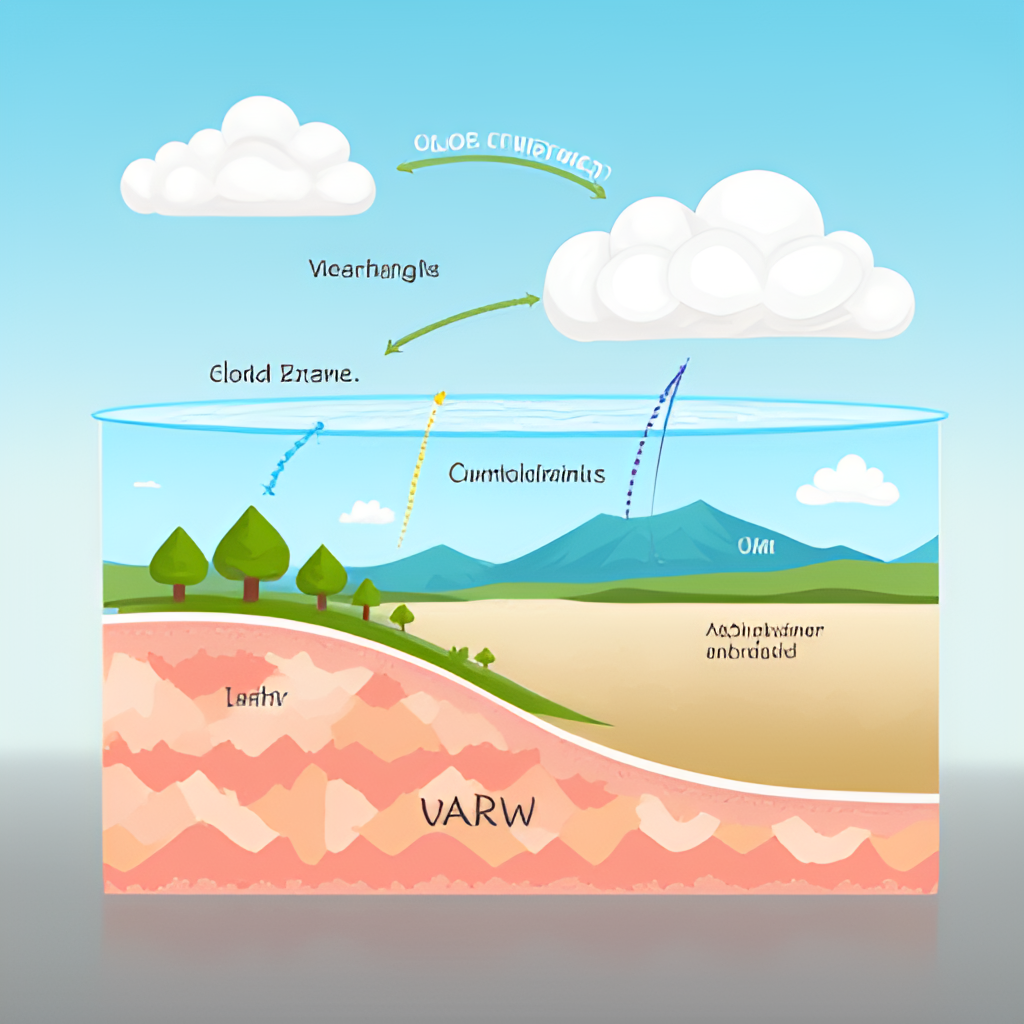
Humidity, the amount of water vapor in the air, is another critical player. When warm, moist air rises and cools, the water vapor condenses into tiny droplets or ice crystals, forming clouds. If these particles grow large enough, they fall as precipitation – rain, snow, sleet, or hail. Water changing states (evaporation, condensation, freezing, melting) involves massive amounts of energy transfer, significantly influencing storm development and intensity. It’s this intricate dance between temperature, pressure, wind, and moisture that keeps meteorologists on their toes.
From Gentle Rain to Thunderous Storms: Exploring Weather Phenomena
The result of these atmospheric processes is the incredible variety of weather phenomena we witness. Think about it – a gentle summer shower feels vastly different from a raging blizzard or a violent thunderstorm. Each type of weather is the result of specific conditions coming together.
- Rain: Forms when water droplets in clouds become too heavy to stay suspended. Simple, right? But the intensity and duration depend on the storm system’s structure and moisture content.
- Snow: Requires temperatures below freezing throughout the cloud layer and the air column down to the ground. The shape of snowflakes is influenced by temperature and humidity during their formation.
- Thunderstorms: These are born from unstable air, often fueled by warm, moist updrafts. They involve lightning (a massive electrical discharge) and thunder (the sound created by the rapid expansion of air heated by lightning). My first experience with a severe thunderstorm left a lasting impression on the sheer power of nature!
- Fog: Basically a cloud at ground level, forming when air near the surface cools and the water vapor condenses. It significantly impacts visibility and transportation.
Other phenomena include hail, sleet, derechos, tornadoes, hurricanes, and blizzards. Studying these events is a core part of meteorology explained, helping us understand their formation and anticipate their danger.
This image is a fictional image generated by GlobalTrendHub.
The Science Behind the Forecast: Meteorology Explained
How do forecasters predict what the weather will do? It’s a fascinating blend of science, technology, and yes, a little bit of art. Modern weather forecasting relies heavily on collecting vast amounts of data from satellites, weather balloons, radar, surface stations, and buoys. This data feeds into complex computer models that simulate the atmosphere’s behavior.
These numerical weather prediction (NWP) models divide the atmosphere into a 3D grid and use physics equations to predict how temperature, pressure, wind, and moisture will change over time. Meteorologists then analyze the outputs from different models, compare them to current conditions, and use their expertise to create the forecast we see on TV or online. It’s not a perfect science – small errors in initial data can grow over time (the “butterfly effect”), limiting the accuracy of long-range forecasts. However, short-term forecasts (0-7 days) have become remarkably accurate thanks to technological advancements and a deeper understanding weather patterns.
Climate Change Impacts: How Weather is Changing
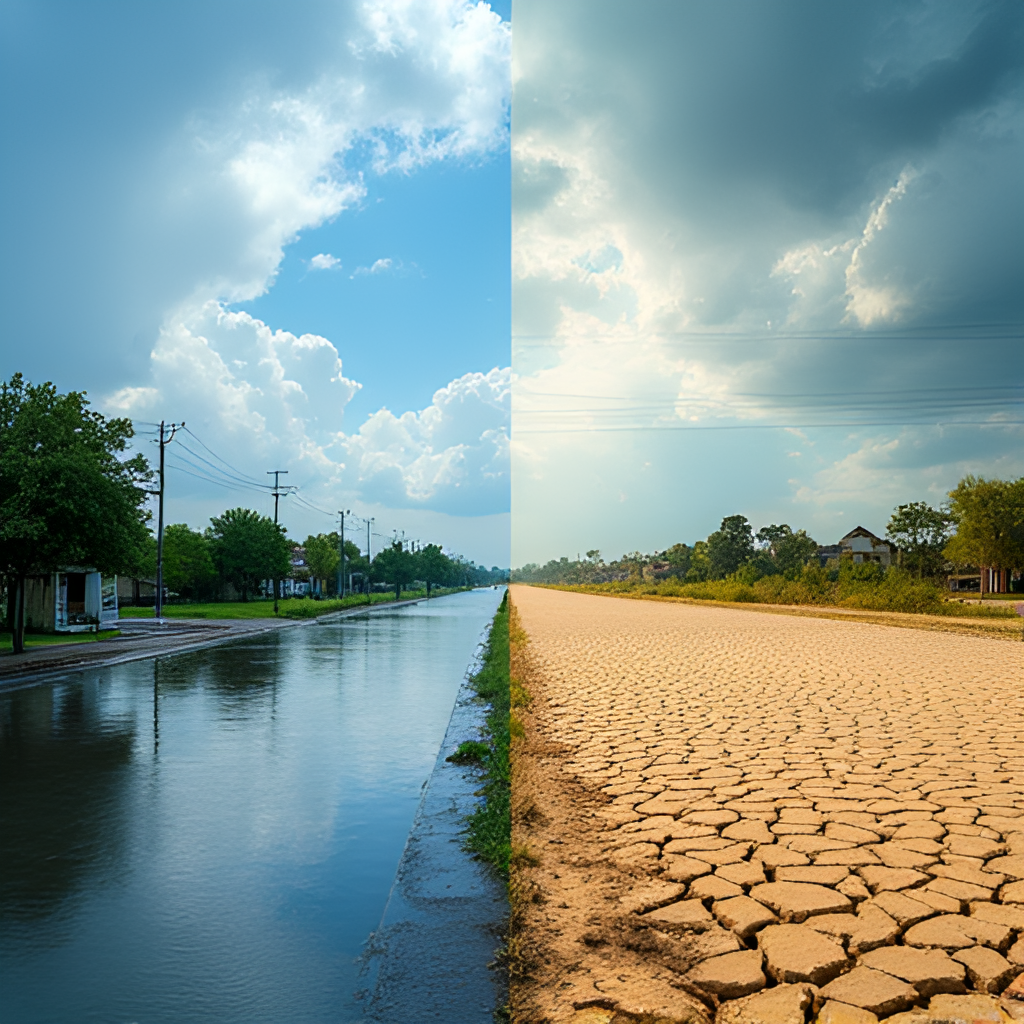
The Earth’s climate is changing, and this has profound implications for weather patterns. A warmer atmosphere can hold more moisture, leading to more intense rainfall in some areas, while others face prolonged droughts. Rising global temperatures are also linked to more frequent and severe heatwaves. We’re seeing shifts in storm tracks and potentially an increase in the intensity of tropical cyclones, though the exact relationship is still an active area of research.
Understanding the difference between weather (short-term atmospheric conditions) and climate (long-term averages and trends) is crucial here. Climate change impacts refer to the shifts in these long-term averages, which in turn influence the *probability* and *intensity* of specific weather events. It’s why a single cold snap doesn’t disprove global warming; it’s the trend over decades that tells the story.
This image is a fictional image generated by GlobalTrendHub.
Being Prepared: Practical Tips for Different Weather
Given weather’s unpredictability, especially with changing climate, preparation is key. Knowing what to do before, during, and after various weather events can make a huge difference in safety and minimizing damage. For example, during a heatwave, staying hydrated and seeking shade are critical. For a severe thunderstorm, knowing where to shelter away from windows is vital. My family has an emergency kit ready, which honestly brings a bit of peace of mind when forecasts look rough.
Simple steps like checking the forecast regularly, having a plan for severe weather, securing outdoor items in high winds, and understanding local evacuation routes are practical ways to stay safe. Resources from local authorities or national weather services often provide excellent, specific advice for your region.
Understanding Weather Patterns: Why It Matters to All of Us
In conclusion, understanding weather patterns is far more than an academic exercise; it’s about navigating our world safely and efficiently. From the fundamental forces driving atmospheric circulation to the complex models used in modern weather forecasting, the science of weather is endlessly fascinating and incredibly relevant. As someone who has followed weather events for years, I can attest to the value of being informed and prepared. As climate change continues to alter our environment, staying informed about changing weather phenomena and atmospheric science becomes even more critical for individuals and societies alike.